Botulinum toxin and androgenetic alopecia (hereditary hair loss)?
Botulinum toxin and androgenetic alopecia (hereditary hair loss)?
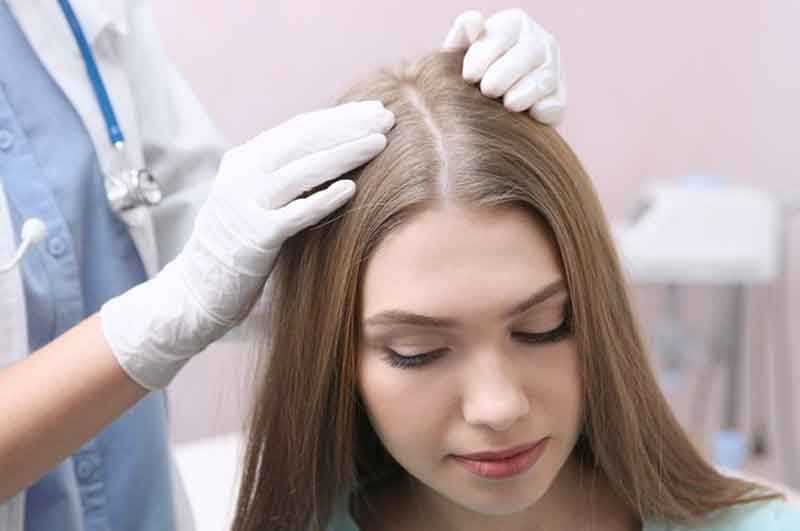
Alopecia (hair loss) can have various underlying causes, such as diseases. In androgenetic alopecia in particular (hormone-related hair loss), botulinum toxin is also used off-label.
In androgenetic alopecia, the hair roots develop hypersensitivity to DHT (dihydrotestosterone), which is derived from the body's own hormone testosterone. DHT shrinks the hair follicles, which consequently produce only to a limited extent. The hair falls out more quickly.
The presumed mechanism of action of botulinum toxin in alopecia is a relaxation of the scalp muscles and an associated reduction in the pressure on perforating blood vessels, so that blood flow to the hair follicles is increased.
Published studies show that botulinum toxin therapy has a positive influence on the treatment of alopecia: hair growth and hair quality are improved.
However, robust randomised controlled clinical trials are still lacking to consolidate the benefit of botulinum toxin in the treatment of alopecia.
|
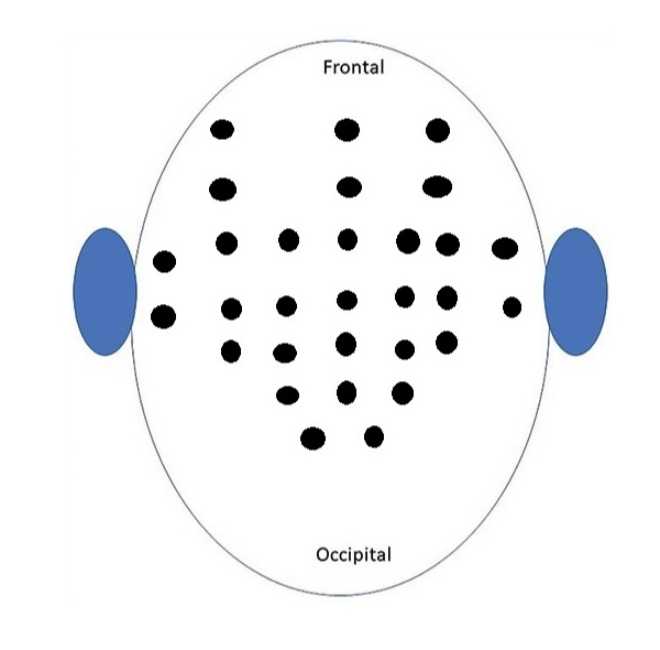
The current status of the injection guidance for the treatment of alopecia in general is as follows:
Fig. 1: Injection points
|
Source:
Friedman et al. J Cosmet Dermatol . 2021 Jun;20(6):1648-1654. doi: 10.1111/jocd.14152. Epub 2021 May 3.