Combination therapy: energy-based devices and hyaluronic acid fillers
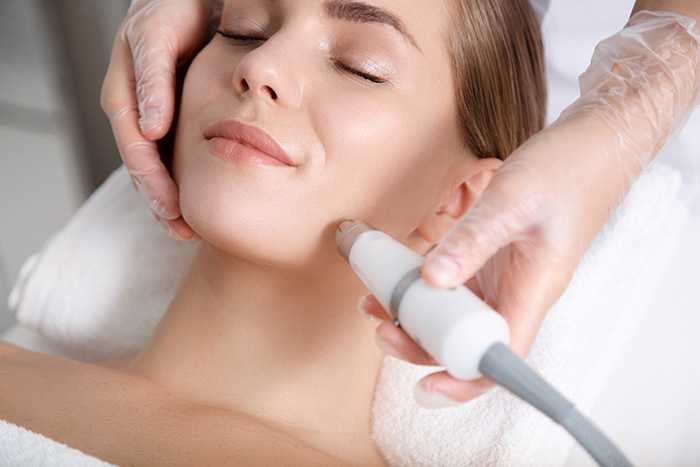
Aesthetic medicine is constantly evolving, particularly in the use of combination therapies involving energy-based devices (EBD) and hyaluronic acid (HA) fillers. These techniques offer improved results for facial rejuvenation and skin tightening, but require a precise understanding of their interactions and optimised conditions of use.
Fundamentals of HA fillers and their sensitivity to temperature
HA fillers are a central component of dermatological practice owing to their biocompatible and biodegradable properties and their ability to bind water and thus increase tissue volume. However, the molecular stability of HA can be impaired by physical and chemical influences. Heat in particular, as generated by EBD, can affect the viscosity and cross-linking behaviour of HA. Studies show that temperatures above 45°C can significantly reduce the integrity of HA fillers by depolymerising the polymer chains and thus degrading the fillers more quickly.
Energy-based devices: types and their specific applications
Radiofrequency (RF): RF devices generate heat through electrical currents and are effective in collagen stimulation. They typically operate at temperatures between 38 and 42°C, which is below the threshold that significantly degrades HA, provided that they are applied before filler injection.
Multi-wavelength diode lasers (MWDL): These devices target deeper skin layers and can be operated at a wavelength of 810 nm to 1060 nm, and the temperatures generated can rise rapidly to over 70°C. Such exposure can impair the structure of HA fillers, especially if the devices are applied after injection of the fillers.
High-intensity focused ultrasound (HIFU): HIFU can generate temperatures of up to 65°C at focused depths, which requires precise control to avoid damaging the HA fillers. HIFU should ideally be used before filler injection to minimise the thermal influence on the HA.
Recommendations for clinical practice
The optimal sequencing and timing of treatments are crucial. It is recommended that EBD applications be carried out before the injection of HA fillers in order to minimise the thermal effects on the fillers. If EBD treatment is required after filler application, a minimum interval of two weeks between the procedures should be observed to allow sufficient integration of the filler.
Further research and clinical studies
To further optimise the safety and effectiveness of these combination therapies, detailed clinical studies are needed that investigate different types of HA fillers and EBD under varying clinical conditions. Future studies should also evaluate the long-term effect of repeated application of heat on the durability of filler results.
Source: Kyu-Ho Yi, et al. (2024). Treating energy-based devices and hyaluronic acid filler injection together? Skin Research and Technology, 30, e13716. Available at: https://doi.org/10.1111/srt.13716