SARS-CoV-2 VACCINE & DERMAL FILLERS: complications and risks?

A link between SARS-CoV-2 vaccination and inflammatory reactions after dermal filler use is currently suspected. Even the Food and Drug Administration (FDA; the United States regulatory authority for food and medicines) and the American Society for Dermatologic Surgery (ASDS) felt prompted to issue guidance describing this potential risk and its clinical relevance.
What is known so far?
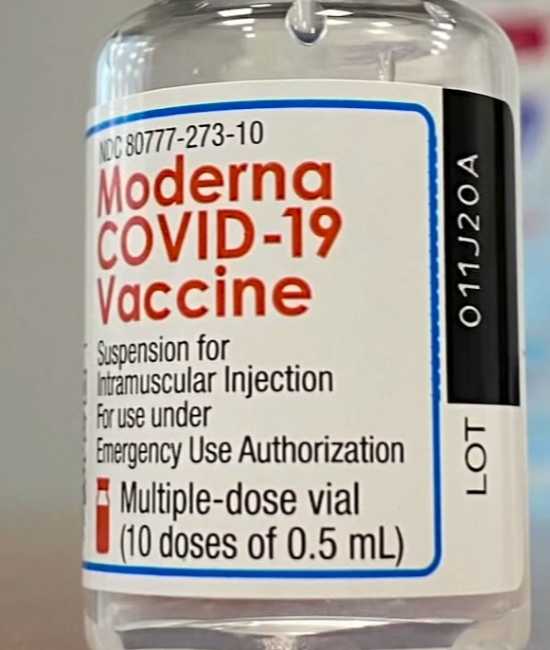
During the phase 3 trial for the approval of Moderna's SARS-CoV-2 vaccine, three participants developed swelling of the face or lips after receiving the vaccine. Two of the patients had received fillers in the cheek area within the six months before vaccination. The third patient had hyaluronic acid injected into the lip two days after vaccination.
From a medical point of view, the swellings in the first two patients are oedemas, which can occur as a result of an inflammatory reaction. Their cause may be infectious or immune-mediated in nature. Dental infections and sinusitis, for example, can act as foci of inflammation. They lead to dissemination of bacteria in the blood, which then settle in the injected foreign material and lead to a local inflammatory reaction with swelling. It is also possible that larger quantities of bacteria are introduced during injection of the product. Local contamination or the use of the same syringe for several patients may be the cause. There are diseases that affect the whole body system, such as influenza or reactions against the body's own tissue. They can lead to a delayed immune reaction within weeks and months. Vaccination reactions also belong to this group. Often, no cause can be found. This rare systemic reaction is initiated by T lymphocytes and mediated by CD4+ cells. In our case, the reaction manifests as persistent facial oedema in the treated area, occasionally accompanied by inflammatory nodule formation. The frequency of this hypersensitivity is between 0.02% and 4%.
Tissue swelling in connection with hyaluronic acid depends on the type of hyaluronic acid, the area treated, the injection technique and, in particular, the quantity of product. In the manufacture of the filler, the HA molecule should not be modified too heavily. Otherwise, the hyaluronic acid is no longer recognised as such and a foreign body reaction to the product may occur.
|
Conclusion:
|
Sources:
- https://www.fda.gov/media/144585/download
- https://www.plasticsurgery.org/for-medical-professionals/covid19-member-resources/covid19-vaccine-dermal-fillers
- https://www.meon.ch/2020/12/26/schwellung-nach-covid-impfung-bei-patienten-mit-hyalurons%C3%A4ure-fillern/
- https://deutsch.medscape.com/artikelansicht/4909623