Aesthetics fun facts

Aesthetics fun facts
|
The earliest finds relating to the beautification of the human face date back about 40,000 years to Neanderthals in Murcia, Spain. Shells were found there that contained a potpourri of coloured pigments and were very probably used as make-up (Fig. 1).
|

Fig. 1: The first evidence of cosmetics – 100,000 BC
|
Where does the horizontal division of the face into thirds, accepted by consensus in aesthetic medicine today, come from? That's right: Leonardo da Vinci (1452–1519) already divided the face into three thirds: from the hairline to the eyebrows, from there to the tip of the nose, and then from the tip of the nose to the chin (Fig. 2). Today's division of the face into thirds in aesthetic medicine is still based on this system, but includes minimal variations.
|
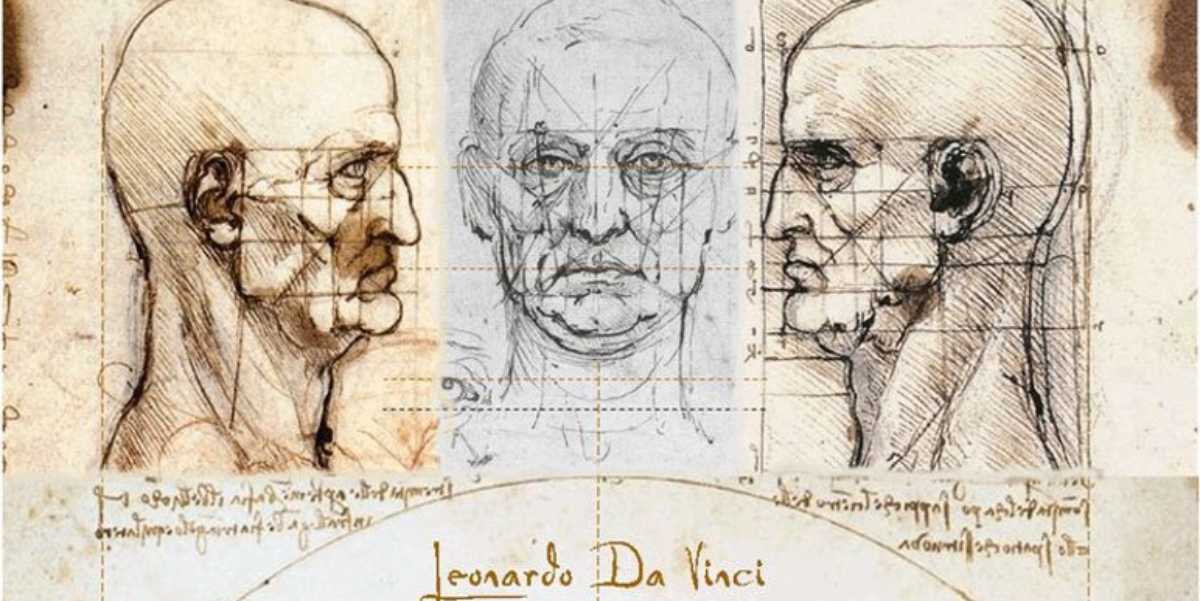
Fig. 2: Leonardo da Vinci and facial proportions
|
Facial analysis and Leonardo da Vinci? That's right: Leonardo da Vinci did not simply stop at dividing the face into thirds, but went several steps further and also turned his hand to concepts of facial analysis. The following quotation from him has been handed down:
|
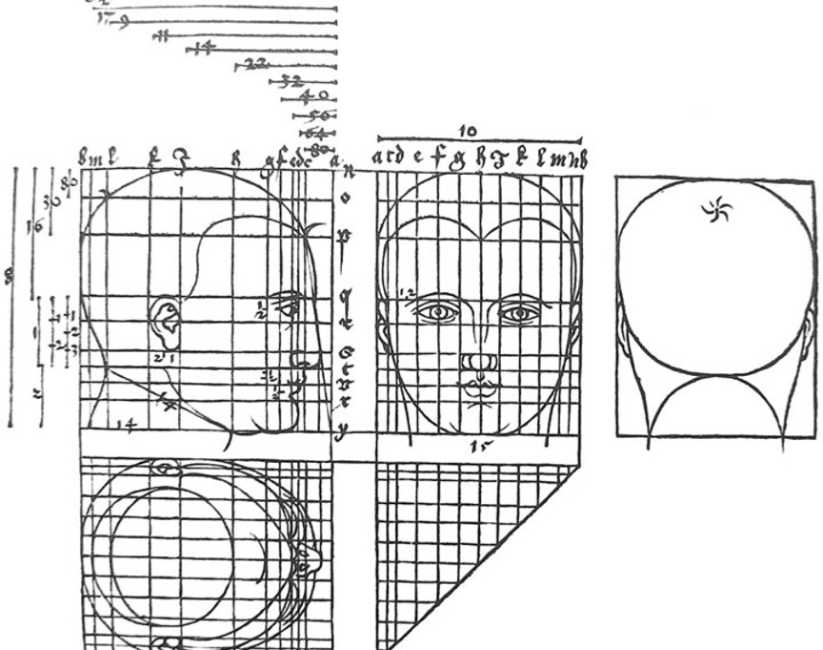
Fig. 3: Systematic analysis of the facial profile by Albrecht Dürer
|
The term “aesthetics” has its origin in a publication by the German philosopher AG Baumgarten (1712–1762) from the year 1750. AG Baumgarten derived this neologism from the Greek word aiestheticos (perceiving through the senses) in the book seriesAesthetica on the subject of perception (Fig. 4). Baumgarten and his mentor Ch. Wolff were thus the founders of the “science of the perception and definition of beauty”.
|

Fig. 4: The title page of the first volume of Baumgarten’s “Aesthetica”, published in 1750
Source:Heppt and Vent. Facial Plast Surg 2015;31:421–430